

People With Disabilities: Adapt Infrastructure To Their Needs
- Par Roland MBONTEH
- 03 Aug 2026 11:21
- 0 Likes
A ccording to the United Nations and World Health Organisation (UN/WHO), about 10- 12 per cent of Cameroonians live with a di sability. Disabilities are in various forms and the 2010 law on the Protection and Promotion of Persons with Disabilities recognizes that disability can be physical, mental, sensory or multiple. Phy sical/motor disability which concerns problems with movement, coordination, or body use, is our major concern in this editorial which adds its voice to the voices calling for inclusive public in frastructure in the country. The percentage of people with disabilities in Ca meroon, which in absolute terms, is above 3 million Cameroonians li ving with one form of di sability or the other, ac cording to the Ministry of Social Affairs, is significant and must not be over looked when designing national policies especially concerning accessibility. Accessibility to public infrastructure for people with disabilities remains a major concern in Cameroon. Despite Law No. 2010/002 of 13 April 2010 on the Protection and Promotion of Persons with Disabilities, public infrastructure are persistently being erected wi thout fully incorporating facilities that can facilitate access for physically challenged persons. Even infrastructure built prior to the 2010 law have mostly not been modified to adapt to the needs of people with disability. Most public buildings, notably offices of both State and private institu tions, schools, hospitals etc, have remained inac cessible, thereby widening the gap. It is the onus of the authorities to supervise the construction of infrastructure in the country and ensure that accessibility issues are incorporated for inclusive use by all before such public infrastructure is au thorized. In fact, after 2010 law which covers education, health, employment, accessibility, and social protection, all public buildings are supposed to include ramps. The ill-adapted infrastructure for people with di sabilities in the public space is also affecting ac cessibility to some social facilities like healthcare and education. Schools across the country are witnessing low enrolment for persons with disa bilities as they find it difficult to access classrooms. Few schools have ramps which facilitate accessi bility into classrooms for physically challenged. The inaccessibility of public buildings also affects jobs for persons with disabilities. The law requires 5 per cent of jobs in the public and private com panies for persons with disabilities but the lack of adap...
Cet article complet est réservé aux abonnés
Déjà abonné ? Identifiez-vous >
Accédez en illimité à Cameroon Tribune Digital à partir de 26250 FCFA
Je M'abonne1 minute suffit pour vous abonner à Cameroon Tribune Digital !
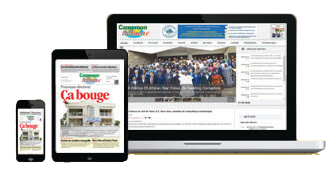
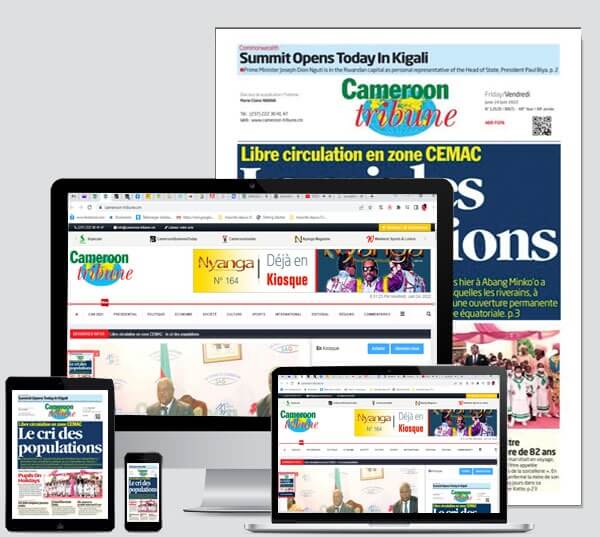
- Votre numéro spécial cameroon-tribune en version numérique
- Des encarts
- Des appels d'offres exclusives
- D'avant-première (accès 24h avant la publication)
- Des éditions consultables sur tous supports (smartphone, tablettes, PC)


Reactions
De la meme catégorie
Intérêts supérieurs
- 02 Oct 2026 08:26
- 0 likes
Inde : haro sur les violences contre les femmes
- 01 Oct 2026 18:37
- 0 likes
Les bouchées doubles !
- 01 Oct 2026 17:51
- 0 likes



Commentaires