

Youth, Women, Indigenous People: Yaounde Declaration Pledges 50% Leadership Roles
- Par Kimeng Hilton
- 28 Aug 2026 14:14
- 0 Likes
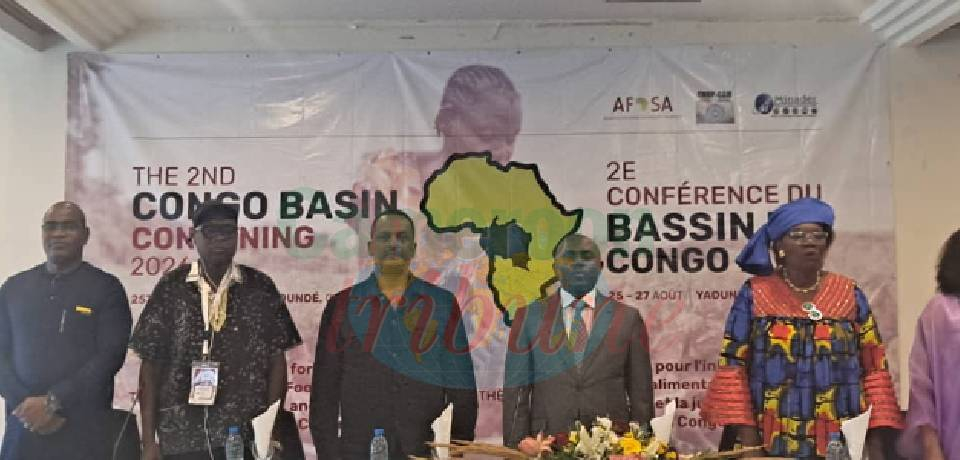
The 2nd Congo Basin Convening ended in Yaounde, Cameroon on August 27, 2026 with stakeholders demanding 30% public budget allocation for agro-ecology.
The Second Congo Basin Convening on Agroecology for Inclusion, Sustainable Food Systems, Biodiversity, and Climate Justice officially concluded on Thursday, August 27, 2026, following three days of intensive deliberations in Yaounde, Cameroon. The high-level regional event drew to a close with a ceremony.
It was presided by the Inspector General in the Cameroon Ministry of Youth Affairs and Civic Education, MINJEC, Dr. Akedeh Metougue Eric, representing the Minister, Mounouna Foutsou. Speaking on behalf of the government alongside delegates from 16 African nations, regional bodies, civil society, and grassroots producers.
Bridging Policy, Action For Youth
Addressing distinguished delegates - including representatives of the African Parliament, the Economic Community of Central African States, ECCAS, traditional rulers, and civil society networks – Dr Akedeh emphasized the necessity of interministerial collaboration between MINJEC and the Ministry of Agriculture and Rural Development, MINADER.
Active Innovators, Solution-Providers
Highlighting the central role of young people in ecological transformation, the Minister’s statement rejected the view of youth as mere passive beneficiaries of environmental policy. Instead, the speech framed youth as active innovators and solution-providers capable of driving the green economy across Central Africa.
National support frameworks - including the Special Triennial Youth Plan, the National Guarantee Fund for Young Entrepreneurs, FOGAJEUN, and YouthConnekt Cameroon - were highlighted. As key vehicles to back green entrepreneurship, sustainable value chains, and rural employment.
The Yaounde Declaration 2026
The centerpiece of the conference’s outcome is the newly adopted Yaounde Declaration 2026. Which is jointly backed by the Alliance for Food Sovereignty in Africa, AFSA and the National Concertation of Farmer Organizations of Cameroon, CNOP-CAM. Building upon the 2023 Kinshasa Declaration, the document outlines key demands and commitments to transform regional food systems.
The Commitments
Dedicated Budgetary Support: Calls on member states and the African Union Commission to explicitly integrate agroecology into national CAADP implementation, reserving at least 30% of public food systems budgets for agroecological initiatives.
Policy Alignment By 2027: Demands that governments adopt agroecology to fulfill Target 10 of the Global Biodiversity Framework, embedding it within Nationally Determined Contributions, NDCs and National Adaptation Plans by the end of 2027.
Access To Climate Finance: Urges major international funders - including the Green Climate Fund, GEF, CAFI, and the African Development Bank - to establish simplified, direct-access funding streams, ensuring at least 20% of climate and conservation resources directly reach local farmers, women, and indigenous communities.
Land Rights, Seed Sovereignty: Reaffirms the necessity of Free, Prior, and Informed Consent (FPIC) in all development projects, while calling for legal protections for farmer-managed seed systems against restrictive or criminalizing regulatory regimes.
Inclusive Leadership: Pledges that civil society and farmer organizations will entrust women, youth, and indigenous representatives with at least 50% of leadership positions.
With Gratitude
Dr Akedeh expressed deep gratitude for the trust placed in him to represent the Ministry at such a prestigious gathering. He conveyed Minister Mounouna Foutsou’s heartfelt appreciation to his colleague, Mr. Gabriel Mbairobe, Minister of Agriculture and Rural Development, MINADER, for actively involving MINJEC in the conference's proceedings.
Invaluable Values
"This initiative once again illustrates the relevance and strength of interministerial synergy, not only when it comes to promoting the aspirations and interests of young people. But also to fostering the values of solidarity, social cohesion, and harmonious living together that should guide relations between people sharing the same space, the same heritage, and common challenges," the representative stated.
Joint Success
Paying tribute to the organizers, financial partners, and delegates, the representative praised the collaborative spirit demonstrated throughout the three days of dialogue: "Through your involvement, your dedication, and your commitment, you have helped to bring this initiative to fruition and, beyond that, to advance a shared vision of a society that is more united in the face of environmental challenges, most just, mindful of the common good, and resolutely committed to the path of sustainable development."
True Force For Proposals
Addressing the core theme of youth participation, the MINJEC delegate noted that young people can no longer be viewed merely as passive recipients of environmental interventions. Reaffirming a key point raised earlier in the proceedings, he emphasized: "Youth cannot be considered merely as beneficiaries of environmental and climate policies. They must be recognized as a true force for proposals, innovation, and action, called upon to contribute fully to the transformation of our societies and to the preservation of the natural heritage that we will pass on to future generations."
Cameroon’s Youth-led Initiatives
To translate this vision into reality, Dr Akedeh highlighted several existing government schemes designed to support youth entrepreneurship and capacity building in Cameroon. Including the Special Triennial Youth Plan ordered by the Head of State, H.E. Paul Biya, the National Guarantee Fund for Young Entrepreneurs, FOGAJEUN, the National Volunteer Program, PAJER-U, PEPEJ, PIFMAS, and YouthConnekt Cameroon. He urged that these platforms be increasingly oriented toward green jobs, sustainable natural resource management, and agroecological value chains.
Between Commitments, Action
A recurring motif throughout the closing address was the urgent imperative to move beyond rhetoric to concrete implementation. Citing insights shared during the conference by the Secretary General of the Alliance for Food Sovereignty in Africa, AFSA and the President of the National Concertation of Farmer Organizations of Cameroon, CNOP-CAM, Dr. Metougue warned against the proliferation of unexecuted declarations. While ecosystems continue to degrade and food insecurity persists.
Targeted Major Obstacles
He outlined three major obstacles identified during the conference discussions that must be overcome:
Déjà abonné ?
Identifiez-vous >
Cet article complet est réservé aux abonnés
Accédez en illimité à Cameroon Tribune Digital à partir de 26250 FCFA
Je M'abonne
1 minute suffit pour vous abonner à Cameroon Tribune Digital !



Reactions
De la meme catégorie

En kiosque





Commentaires