

Combating Extreme Poverty: Cameroon’s Social Safety Net Project Delivers Hope
- Par Mary NKEMNGONG
- 26 Nov 2026 09:32
- 0 Likes
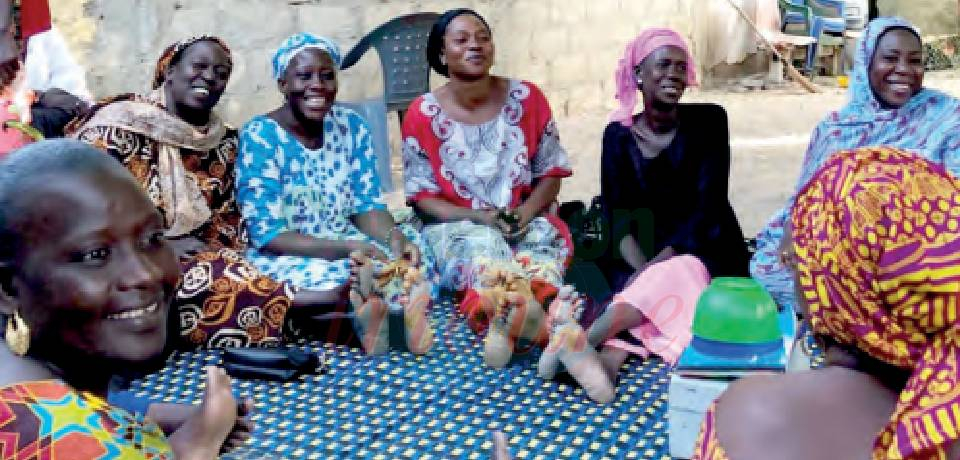
Despite prevailing bottlenecks, the Project has shown that direct, transparent support can restore dignity and spark small-scale entrepreneurship among needy citizens.
F or millions of families across Ca meroon living in extreme poverty, daily survival has long depended on fragile, day-to-day work. Over the past decade, however, the Government of Cameroon backed by technical and financial partners such as the World Bank and international development and humanitarian actors, has rolled out a broad push through varied pro jects like the Social Safety Net Project (PFS) and its expanded successor, the Adaptive Social Safety Nets and Eco nomic Inclusion Project (PFS-AIE). Ori ginally launched in 2013 as a targeted cash-transfer pilot, the nation’s social safety net strategy has evolved consi derably. Under the current PFS-AIE framework running through 2028, backed by an approximate FCFA 96,156 billion World Bank credit along side domestic State allocations, the government has shifted from simple emergency relief to long-term econo mic empowerment. Under this frame work, vulnerable households receive regular bi-monthly payments of FCFA 20,000, along with larger FCFA 80,000 lump sums at the 12- and 24-month marks to fund small businesses. To tackle youth unemployment, the government launched targeted phases under the Youth Economic Inclusion (IEJ) component. An active late-2026 enrolment drive across Yaounde, Douala, Maroua, Garoua, Bafoussam, Bertoua, Ebolowa, and Ngaoundere, offers unemployed youth aged 18 to 35 business training, coaching, and non-repayable grants of FCFA 275,000 to launch micro-enterprises. During the same period, authorities rolled out a FCFA 5.5 billion initiative to fi nance 1,000 young entrepreneurs through business plan competitions, alongside a dedicated FCFA 10 billion envelope earmarked for households, internally displaced persons (IDPs), and youth in the conflict-affected North West and South West Regions. The State, working with the National Institute of Statistics (INS) and the Ministry of Social Affairs, has also modernized beneficiary registration using biometric data and mobile money transfers to facilitate recipients’ direct reception of funds. Across its...
Cet article complet est réservé aux abonnés
Déjà abonné ? Identifiez-vous >
Accédez en illimité à Cameroon Tribune Digital à partir de 26250 FCFA
Je M'abonne1 minute suffit pour vous abonner à Cameroon Tribune Digital !

- Votre numéro spécial cameroon-tribune en version numérique
- Des encarts
- Des appels d'offres exclusives
- D'avant-première (accès 24h avant la publication)
- Des éditions consultables sur tous supports (smartphone, tablettes, PC)


Reactions
De la meme catégorie


Bamenda: Statistics Disclosed As Vital Development Instrument
- 26 Nov 2026 09:29
- 0 likes






Commentaires