

9,000 Trees And Counting: LEAD Cameroon’s ‘GREEN’ Project Leads Restoration Efforts
- Par Kimeng Hilton
- 29 Mar 2026 11:59
- 0 Likes
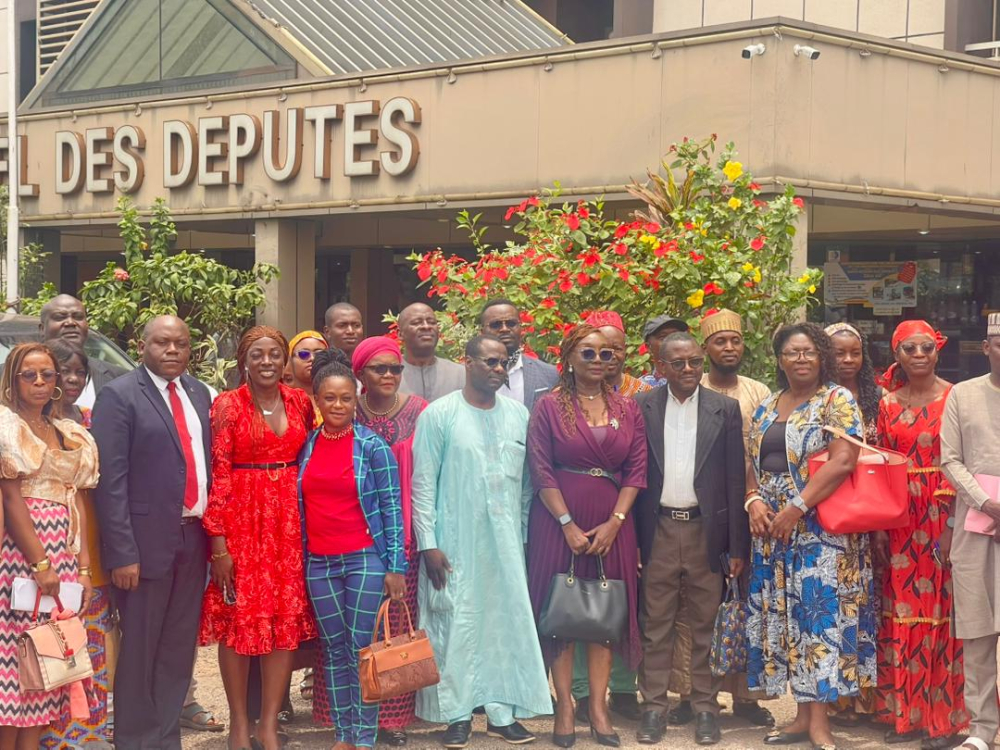
During its general assembly on March 28, 2026 in Yaounde, the association changed its status to a Non-Governmental Organization, NGO.
In a decisive move to address the accelerating environmental and social challenges facing the nation, “Leadership for Environment And Development,” LEAD Cameroon held its landmark General Assembly on March 28, 2026. The assembly, which convened in the Cameroonian capital city of Yaounde, marked the official transition of the organization into a formal Non-Governmental Organization, NGO, and saw the adoption of a high-impact Strategic Plan for 2026–2030. On the theme "Together, let us build an eco-responsible future," the organization unveiled a comprehensive roadmap focused on four strategic axes: Governance, Environment, Health, and Education.
New History Page
The General Assembly served as both a retrospective of past achievements and a bold leap toward the future. Addressing a diverse audience of institutional partners, international donors, and committed members, the Chairperson of the Board of Directors, Mr. Aboubakary Modibbo Amadou, emphasized that the organization is entering a "new phase of its history." Central to this transformation is the legal and administrative evolution of LEAD Cameroon from a traditional association into a structured NGO, a move designed to enhance its credibility and operational capacity on the global stage.
A Legacy Of Concrete Impact
The assembly highlighted a series of successful interventions that have already positioned LEAD Cameroon as a vital intermediary between local communities and public institutions. Over the past several years, the organization has demonstrated its technical prowess through the GREEN Project (Far North Ecosystem Restoration Generation), which resulted in the reforestation of over 9,000 trees at the University of Maroua.
In the social sector, the organization successfully implemented a socio-economic integration project for 100 displaced women from the Central African Republic in Meiganga, funded by the U.S. Government. Furthermore, LEAD Cameroon has been a sentinel for environmental justice, conducting participatory monitoring missions in the forest zones of East Cameroon and providing citizen oversight of extractive industries in alignment with Extractive Industries Transparency Initiative (EITI) standards.
2026-2030 Strategic Roadmap
The newly adopted five-year plan focuses on the "One Health" approach and the urgent need for community resilience. The organization identified critical ecological pressures - including accelerating deforestation, critical biodiversity loss, and extreme rainfall variability - as the primary drivers behind its new strategy.
Under the Governance axis, LEAD Cameroon is evolving into proactive public policies on the environment and sustainable development. It will focus on analyzing and improving public policies related to public finance and climate change. The Environment axis will scale up ecosystem restoration and launch the Bogo Botanical Garden, a scientific hub for indigenous plant preservation. The Health pillar will address the intersection of environmental pollution and community wellness, while the Education axis aims to mentor a new generation of eco-responsible leaders through academic grants and leadership workshops.
New Leadership To Drive Change
To execute this ambitious vision, the General Assembly elected a new Executive Bureau. Mrs. Modeste Viviane Mvele was appointed as the Executive Director, supported by Mr. Rachad Hamadou as Deputy Executive Director. This new leadership team is tasked with implementing the 2026 Action Plan, which includes establishing a "Climate Table" for multi-stakeholder dialogue and developing carbon project concept notes to tap into international green economy markets.
The closing remarks delivered by the newly elected Executive Director reflected a deep sense of accountability. "These decisions must now become concrete actions," Mrs. Mvele stated. "We will strengthen our internal organization, develop our partnerships, and implement projects that concretely improve the lives of communities."
National, Global Challenges
The context of this assembly is framed by the severe climate impacts hitting Cameroon. From recurrent flooding in littoral zones to pr...
Cet article complet est réservé aux abonnés
Déjà abonné ? Identifiez-vous >
Accédez en illimité à Cameroon Tribune Digital à partir de 26250 FCFA
Je M'abonne1 minute suffit pour vous abonner à Cameroon Tribune Digital !

- Votre numéro spécial cameroon-tribune en version numérique
- Des encarts
- Des appels d'offres exclusives
- D'avant-première (accès 24h avant la publication)
- Des éditions consultables sur tous supports (smartphone, tablettes, PC)







Commentaires