

WTO MC14: When Cameroon Took Global Centre Stage
- Par Kimeng Hilton
- 31 Mar 2026 17:58
- 0 Likes
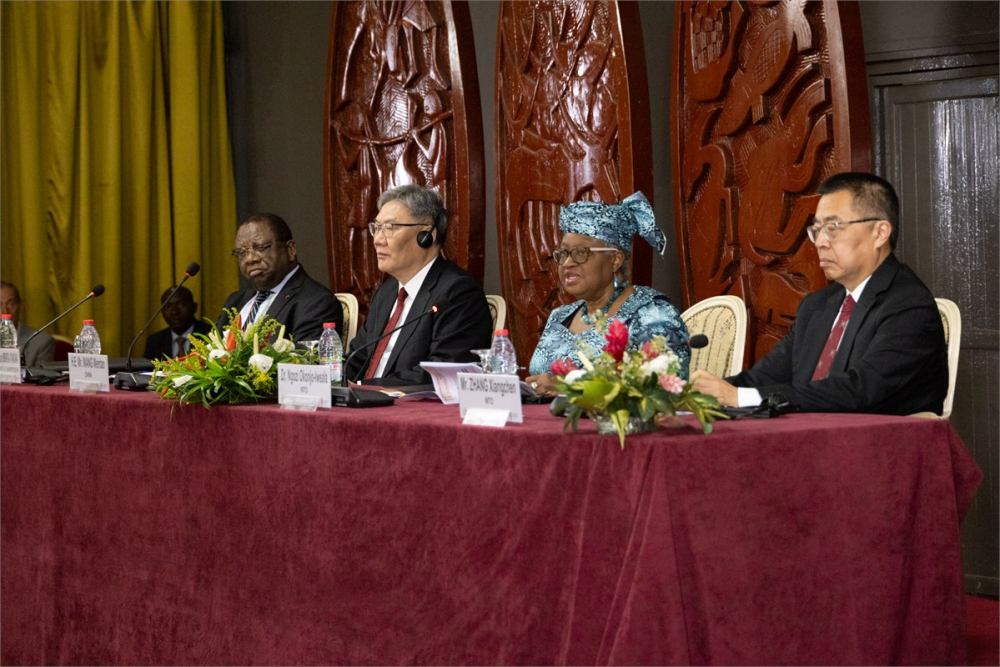
The four-day 14th World Trade Organization Ministerial Conference that ended in Yaounde on March 30, 2026 was a diplomatic victory for Cameroon, Central Africa – and Africa as a whole.
The 14th Ministerial Conference (MC14) of the World Trade Organization (WTO) concluded in the Cameroonian capital, Yaounde in the early hours of Monday, March 30, 2026 - though scheduled to end at 1.30pm local time the previous day. The four-day conference (March 26-29, 2026) was a milestone as the first such gathering in Central Africa - and the second on the continent.
When Thousands Gathered
Chaired by Cameroon’s Minister of Trade, Luc Magloire Mbarga Atangana, the summit brought together nearly 4,000 delegates to navigate a world increasingly defined by geopolitical tension and "green" protectionism. However, the outcomes were a bittersweet blend of specialized progress and high-stakes stalemate.
The African Perspective
For the host nation, Cameroon, the conference was a logistical and diplomatic success, highlighting the continent's growing agency in trade. Issues like cotton and food security remained high on the agenda, with African delegations pushing for fairer agricultural subsidies. While a final breakthrough on agriculture remained elusive, the "Yaounde spirit" ensured these issues were deferred to Geneva with fresh political momentum rather than being abandoned.
Focus On Inclusion
The "Yaounde Package" delivered vital wins for developing nations. Ministers successfully adopted decisions to better integrate Small and Vulnerable Economies (SVEs) into the global trading system. Crucially, there was movement on Special and Differential Treatment (S&DT), specifically regarding Sanitary and Phytosanitary (SPS) measures and Technical Barriers to Trade (TBT). These agreements aim to ensure that poorer nations aren't locked out of markets by complex Western standards they lack the infrastructure to meet.
They Alone
Furthermore, over 60 members pushed forward with the Investment Facilitation for Development Agreement (IFDA). Though not yet part of the formal WTO rulebook due to lack of full consensus, the commitment signals a shift toward "plurilateral" agreements - where groups of like-minded countries move ahead even when others hesitate.
Digital Trade, Institutional Reforms
The headline-grabbing news from Yaoundé was the fail...
Cet article complet est réservé aux abonnés
Déjà abonné ? Identifiez-vous >
Accédez en illimité à Cameroon Tribune Digital à partir de 26250 FCFA
Je M'abonne1 minute suffit pour vous abonner à Cameroon Tribune Digital !

- Votre numéro spécial cameroon-tribune en version numérique
- Des encarts
- Des appels d'offres exclusives
- D'avant-première (accès 24h avant la publication)
- Des éditions consultables sur tous supports (smartphone, tablettes, PC)







Commentaires