

Corruption Typologies in Commonwealth Africa: Findings In Fourteen Countries Presented
- Par Eulalia AMABO
- 08 May 2026 08:57
- 0 Likes
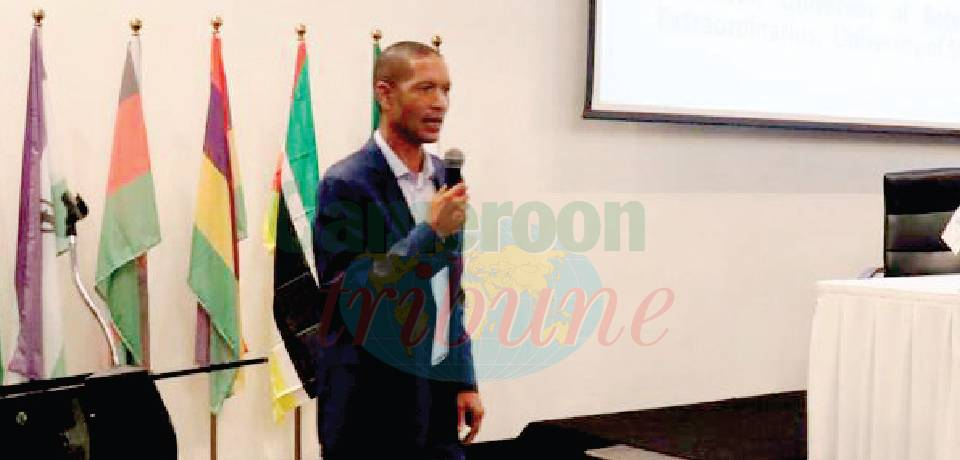
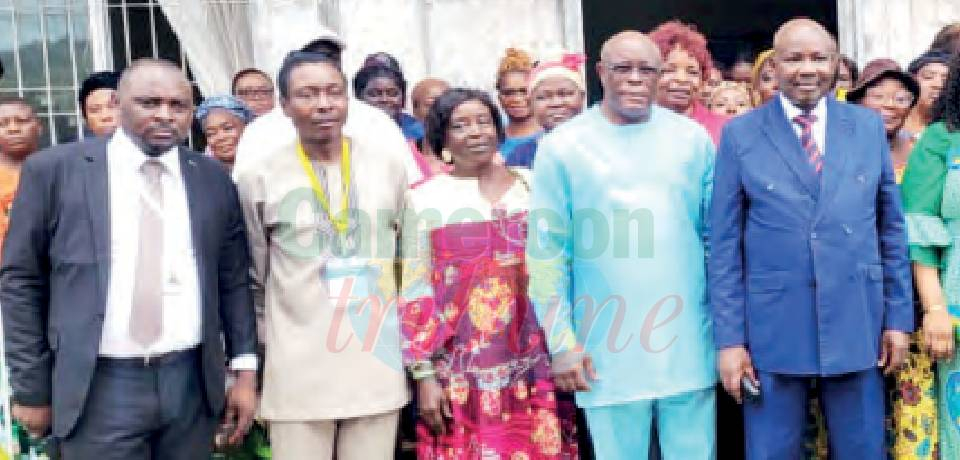
This was on day four of the 16th Commonwealth Regional Conference of Anti-Corruption Agencies in Africa, yesterday May 7, 2026.
Within the context of better tackling corruption by understanding the root causes, a study was conducted by the Commonwealth Africa Anti-Corruption Centre, in collaboration with the Association of Anti-Corruption Agencies in Commonwealth Africa, with focus on corruption typologies and trends. The survey was carried out in November- December 2025 in 14 Commonwealth African countries. The findings of the study were thus presented to the delegates of the Commonwealth regional conference on May 7, 2026 by David Sebudubudu, PhD, Professor of Political Science in the Department of Political and Administrative Studies, University of Botswana & Professor at the Thabo Mbeki School of Public and International Affairs, University of South Africa. The sampling criteria comprised anti-corruption agencies, prosecuting authorities and relevant stakeholders, while the methodology used included surveys, interviews and documents review. Study findings focused on forms of corruption, its impact, channels of reporting, current measures to prevent the vice and the effectiveness of collaboration amongst stakeholders. The identified forms of corruption are; abuse of office, bribery, fraud, nepotism, embezzlement of public funds, money laundering, extortion, unexplained wealth, misappropriation of public funds, conflict of interest and fraudulent acquisition and disposal of public property. The three most prevalent forms of corruption as presented are; bribery (79 per cent), abuse of office (48 per cent) and embezzlement of public funds (34 per cent). Economic sectors considered most vulnerable to corruption that the study highlighted are public administration and defence, construction, public health and social work activities, financial and insurance activities, education, mining and quarrying, agriculture, forestry and fishing, real estate activities, transport and storage, electricity, gas, steam and air conditioning supply, and water supply, sewerage, waste management and remediation activities. As per the study, drivers of corruption include; greed, lack of integrity, poverty, lack of accountability and transparency, weak institutional control, income level, weak legal framework, social networks and the systematic culture of corruption amongst others. The impacts of corruption on the region are also showcased in the study and their percentages. Hampered economic development (69), poor se...
Cet article complet est réservé aux abonnés
Déjà abonné ? Identifiez-vous >
Accédez en illimité à Cameroon Tribune Digital à partir de 26250 FCFA
Je M'abonne1 minute suffit pour vous abonner à Cameroon Tribune Digital !
- Votre numéro spécial cameroon-tribune en version numérique
- Des encarts
- Des appels d'offres exclusives
- D'avant-première (accès 24h avant la publication)
- Des éditions consultables sur tous supports (smartphone, tablettes, PC)





Commentaires