

Climate Change: Less Than 40% Of African Nations Equipped With Early Warning Systems
- Par Kimeng Hilton
- 19 Jun 2026 13:55
- 0 Likes
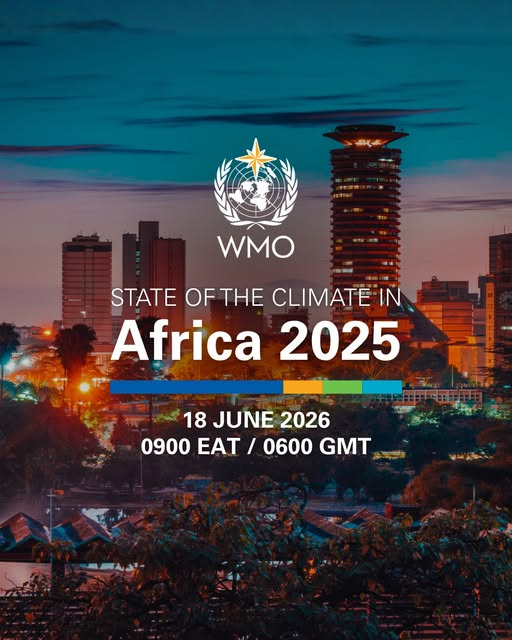
In its 2025 report on the continent published on June 18, 2026, the World Meteorological Organization says extreme weather events claimed over 3,000 lives.
A sobering report released on June 18, 2026 by the World Meteorological Organization, WMO has laid bare the escalating human and economic toll of climate change across Africa. Revealing that extreme weather events affected at least 13 million people and claimed over 3,000 lives in 2025 alone.
Severe Environmental Duress
The State of the Climate in Africa 2025 report details a continent under severe environmental duress. With rising temperatures, disappearing glaciers, and intensifying natural disasters triggering profound socioeconomic crises. According to the findings, the African continent continues to warm at a pace faster than the global average. With the rate of warming since 1991 tracking substantially higher than any previous 30-year period on record.
The Human Cost
The climate shocks of 2025 manifested primarily through devastating cycles of flooding and prolonged drought, crippling local communities and infrastructure. Floods emerged as the single most common hazard, accounting for more than half of all reported extreme climate events on the continent. In May 2025, severe flooding in Nigeria resulted in over 200 fatalities, while April 2025 floods in the Democratic Republic of the Congo, DRC left more than 160 people dead.
Insufficient Rains
While some regions flooded, East Africa faced a devastating lack of rainfall. The WMO reports that severe drought affected more than 8.5 million people across East Africa, driven heavily by unusually low annual precipitation totals around the Horn of Africa.
Critical Protection Gap
Despite the massive scale of these climate threats, the WMO highlighted a dangerous deficiency in regional preparedness. Less than 40% of African countries currently possess multi-hazard early warning systems. These systems are considered fundamental requirements for protecting vulnerable populations and saving livelihoods before disasters strike.
Vanishing Glaciers, Rising Seas
The environmental indicators presented in the report underscore rapid and permanent changes to Africa’s landscape. Continental glaciers have lost more than 90% of their area since the late nineteenth century. The iconic Mount Kilimanjaro saw its glacier area decline from 11.4 km² in 1900 to just 0.98 km² in recent years - despite experiencing significant snowfall in 2025.
Rising Coastal Erosion
On the other hand, coastal areas are facing heightened risks as sea-level rise along several African coasts has outpaced the global average of 3.6 mm per year since 1999. Coastal erosion and rising waters reached up to 4.2 mm per year along the Atlantic coast and peaked at 5.6 mm per year in the Red Sea. Meanwhile, widespread marine heatwaves and ongoing ocean acidification reached record lows for surface pH across most of the region. Endangering vital marine ecosystems and coastal livelihoods.
Early Warning, Coordination
WMO Secretary-General Celeste Saulo emphasized that while the findings illustrate overwhelming risks, they also illuminate the path forward. "The signs of a changing climate are clear across Africa," Saulo stated. "This report shows not only the scale of the risks, but also the growing importance of early warnings, climate services and coordinated action to protect lives and livelihoods."
Some Progress
Amid the stark statistics, there are emerging signs of resilience. The report points to strengthening preparedness and response capabilities driven by improved collaboration among meteorological services, disaster management agencies, and localized seasonal forecasting.
Critic...
Cet article complet est réservé aux abonnés
Déjà abonné ? Identifiez-vous >
Accédez en illimité à Cameroon Tribune Digital à partir de 26250 FCFA
Je M'abonne1 minute suffit pour vous abonner à Cameroon Tribune Digital !
- Votre numéro spécial cameroon-tribune en version numérique
- Des encarts
- Des appels d'offres exclusives
- D'avant-première (accès 24h avant la publication)
- Des éditions consultables sur tous supports (smartphone, tablettes, PC)









Commentaires