

Bamenda Regional Hospital Inferno: Total Donations To Go For Uninterrupted Essential Drug Supplies
- Par Kimeng Hilton
- 29 Jul 2026 20:22
- 0 Likes
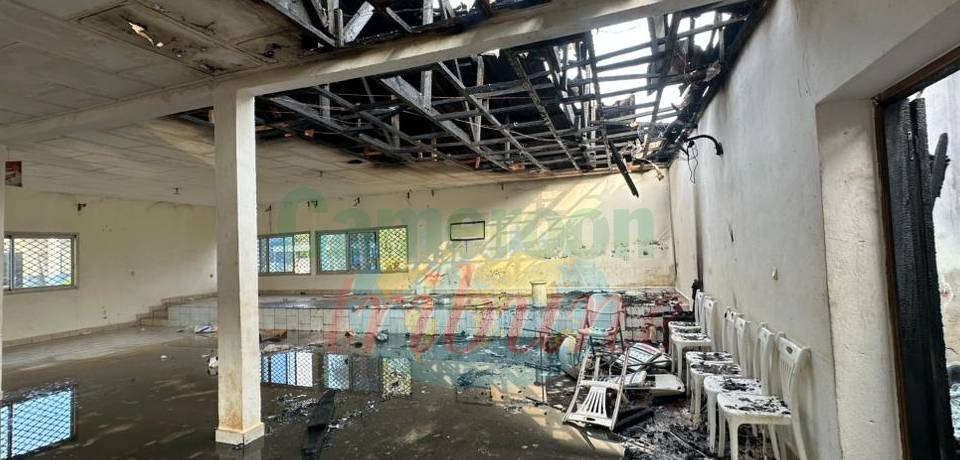
Over 53 million FCFA was raised from goodwill donations sequel to the fire incident that ravaged the hospital on June 30, 2026.
In a comprehensive joint clarification, the management of the Regional Hospital Bamenda has outlined the precise deployment strategy for the financial relief generated after the recent devastating fire disaster. Hospital authorities confirmed that the full sum of 53,527,179 FCFA donated by public institutions, private benefactors, and community partners. Will be allocated exclusively toward procuring essential medicines to restock the Bamenda Regional Hospital central drug inventory.
Unified Position
The definitive position represents a unified front between Prof. Fru Angwafo III, Chairman of the Hospital Management Committee (and President of the North West Regional Executive Council), and Dr. Nsame Denis, Director of the Regional Hospital Bamenda. Together, the two officials addressed and dispelled widely circulating rumors suggesting that the donated funds would be used either to reconstruct gutted administrative buildings or to directly settle individual patient debts.
Immediate Operational PrioritiesThe tragedy unfolded during the late hours of June 29 into the early morning of June 30, 2026. When a raging fire engulfed key administrative and service departments in the regional referral health facility. Beyond damaging administrative offices and IT infrastructure, the blaze severely impacted the hospital's central storage facilities. Crippling its primary drug store and placing extreme strain on daily clinical operations.
In the immediate aftermath, goodwill contributions poured in from across the region to assist the institution during its recovery phase. The initiative was led by Felix Mbayu, the Minister Delegate in the Ministry of External Relations in charge of the Commonwealth. However, public debate quickly emerged regarding how the relief capital should be spent, with many calling for immediate architectural rebuilding.
After Thorough Assessment
Addressing these expectations, Dr. Nsame Denis explained that the management committee conducted a thorough assessment of operational needs and determined that pharmaceutical procurement had to take precedence over structural reconstruction.
"We simply cannot handle full structural repairs with this amount," hospital management noted in a phone interview with Cameroon Tribune Online on July 29, 2026. Pointing out that complete reconstruction of the damaged facilities would require hundreds of millions of FCFA. A budget far exceeding the total relief contributions gathered. "When the Management Committee convened, the consensus was clear. The best and most pressing decision is to use all funds to order drugs. That is the single most urgent necessity for immediate patient survival," Dr Nsame underscored.
Dispelling Misconceptions
Management also took the opportunity to clear up confusion regarding data on vulnerable care. In an official Letter of Thanks addressed to all benefactors, Prof. Fru Angwafo III highlighted that the facility had consulted and treated 1,242 poor and vulnerable patients during the first semester of 2026.
Not For Vulnerable Patients
Some media commentary and social media reports misinterpreted this figure. Assuming it indicated that the 53.5M+ FCFA relief pool would be distributed to cover unpaid medical bills or liquidate existing patient debts. "We are not using this money to pay individual patient bills," Dr. Nsame clarified, setting the record straight.
"Mentioning the 1,242 vulnerable patients served to illustrate the sheer volume of pharmaceutical consumption at our facility. To continue serving these patients effectively, we must ensure our drug stores are continuously replenished. The money is going directly to purchase drugs from CENAME (National Centre for the Supply of Essential Drugs and Medical Consumables)," Dr Denis Nsame pointed.
24/7 Overnight Emergency CareThe strategic decision to channel 100% of the funds into restocking the pharmacy is heavily influenced by local healthcare realities in the city of Bamenda. Commercial retail pharmacies across the municipality typically close during nighttime hours, leaving the Regional Hospital’s internal pharmacy as the sole functional source for emergency medications in the area overnight.
Cet article complet est réservé aux abonnés
Déjà abonné ? Identifiez-vous >
Accédez en illimité à Cameroon Tribune Digital à partir de 26250 FCFA
Je M'abonne1 minute suffit pour vous abonner à Cameroon Tribune Digital !

- Votre numéro spécial cameroon-tribune en version numérique
- Des encarts
- Des appels d'offres exclusives
- D'avant-première (accès 24h avant la publication)
- Des éditions consultables sur tous supports (smartphone, tablettes, PC)







Commentaires