

Sustainable Cocoa: Brazil Shares Community Rights Lessons With Cameroon
- Par Kimeng Hilton
- 24 Nov 2026 08:55
- 0 Likes
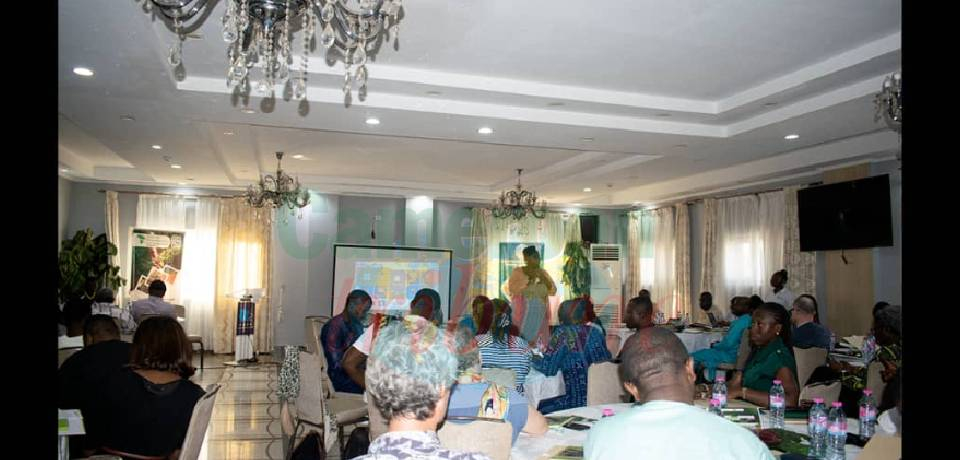
This was during last weekend’s cocoa policy and networking conversation in Yaounde dubbed the “2026 Forest and Cocoa Drink.”
Civil society organizations, international development partners, and cocoa sector stakeholders last weekend gathered in Yaounde for the 2026 Forest and Cocoa Drink, a policy and networking dialogue held on the theme: "Sustainable Cocoa: Independent Monitoring of Forests and Rights and Lessons from Brazil."
Forests, Community Land Rights
Organized by the Centre for Environment and Development, CED in collaboration with the European forest-rights NGO, Fern and the VOICE Cocoa Network, the forum - held on November 19, 2026, (following related sessions in Yaounde on November 18, 2026) - brought together grassroots advocates and institutional actors. To examine how independent monitoring can protect both forest ecosystems and community land rights.
Grassroots Oversight, Community Rights
Hosting the discussions on behalf of the Centre for Environment and Development, Samuel Nguiffo, Secretary General and head of CED, underscored the vital link between independent civil society monitoring, transparent forest governance, and the protection of local communities' customary land rights. Under Nguiffo’s leadership, CED has consistently advocated that efforts to curb cocoa-driven deforestation must not penalize smallholder farmers, but rather empower local communities through secure land tenure and participatory oversight.
51 Years Of Brazilian AdvocacyA highlight of the gathering was the participation of Ronilson Costa, National Executive Coordinator of Brazil’s Pastoral Land Commission (Comissão Pastoral da Terra, CPT). Drawing on CPT’s 51 years of experience since its founding under the aegis of the Catholic Church in Brazil, Costa shared practical insights into defending rural communities. Securing land tenure, and advancing social justice within agricultural value chains.
During the exchanges alongside Nguiffo and Cameroonian civil society representatives, Costa advocated for a cocoa production model firmly rooted in community rights and social justice. His presentation sparked rich discussions on adapting South-South solidarity and grassroots monitoring mechanisms to Cameroonian realities where small-scale cocoa farmers often face insecure land rights. Alongside mounting international environmental compliance pressures.
Forest Governance, Sustainability Standards
The 2026 Forest and Co...
Cet article complet est réservé aux abonnés
Déjà abonné ? Identifiez-vous >
Accédez en illimité à Cameroon Tribune Digital à partir de 26250 FCFA
Je M'abonne1 minute suffit pour vous abonner à Cameroon Tribune Digital !

- Votre numéro spécial cameroon-tribune en version numérique
- Des encarts
- Des appels d'offres exclusives
- D'avant-première (accès 24h avant la publication)
- Des éditions consultables sur tous supports (smartphone, tablettes, PC)







Commentaires