


DR Congo Crisis: Why The Implementation Of Accords Stalls?
- Par Eldickson Agbortogo
- 30 Jan 2026 10:30
- 0 Likes
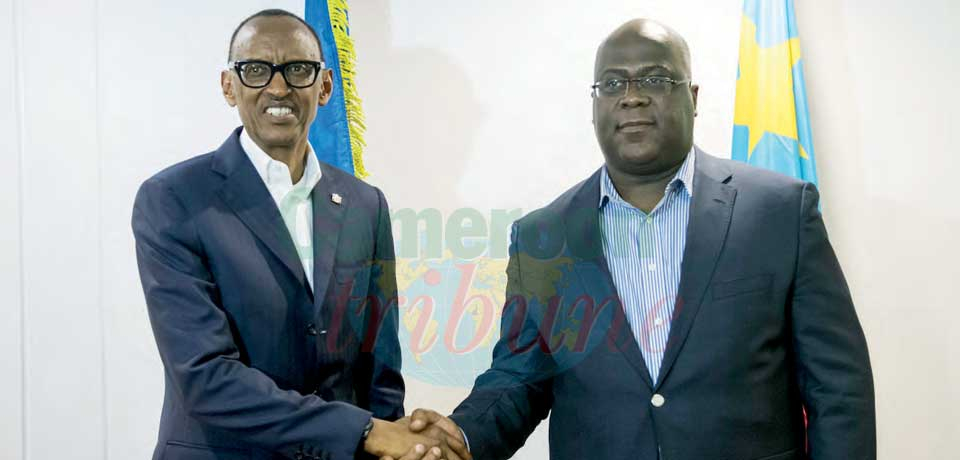
After more than 30 years and despite the signing of several agreements, there seems to be no headway to the crisis either due to the lack of political will or personal interest.
The implementation of peace deals and security initiatives in the Democratic Republic of Congo (DRC), is dragging due to deep-seated mistrust, persistent foreign interference, and a complex web of economic interests in the mineral-rich east. The ongoing clashes between the M23 rebel group and pro-government forces, despite agreements, undermine negotiations. Disagreements over the role of regional forces (EACRF) and lack of coordination among neighbouring states have hampered progress. Rwanda’s alleged, significant backing of the M23 creates a proxy war, delaying diplomatic solutions. The Congolese State lacks effective control, struggling with weak security forces and the inability to address root causes like local grievances and illegal resource exploitation. The process is also stalled by disagreements on the sequence of steps, such as troop withdrawals and the disarmament of various armed groups. These issues, combined with a history of broken peace promises, create a cycle of violence that prevents lasting stability. As of late 2025, multiple, distinct agreements signed between the Democratic Republic of Congo (DRC) and Rwanda, centred on ending the conflict in Eastern Congo and establishing economic integration. Key milestones include the June 27, 2025, Peace Agreement, the Regional Economic Integration Framework (November 7, 2025), and the formalized Washington Accords signed on December 4, 2025, focusing on security and minerals. These set of agreements that include a Strategic Partnership Agreement (SPA) involving the DRC, Rwanda, and the US to manage critical minerals and foster peace, also aimed at promoting stability and economic c...
Cet article complet est réservé aux abonnés
Déjà abonné ? Identifiez-vous >
Accédez en illimité à Cameroon Tribune Digital à partir de 26250 FCFA
Je M'abonne1 minute suffit pour vous abonner à Cameroon Tribune Digital !

- Votre numéro spécial cameroon-tribune en version numérique
- Des encarts
- Des appels d'offres exclusives
- D'avant-première (accès 24h avant la publication)
- Des éditions consultables sur tous supports (smartphone, tablettes, PC)




Commentaires