

“Blood Donation Is A Civic Duty”
- Par Yannick ZANGA
- 12 Jun 2026 06:02
- Likes

Professor Dora Mbanya, General Manager, National Blood Transfusion Service (NBTS).
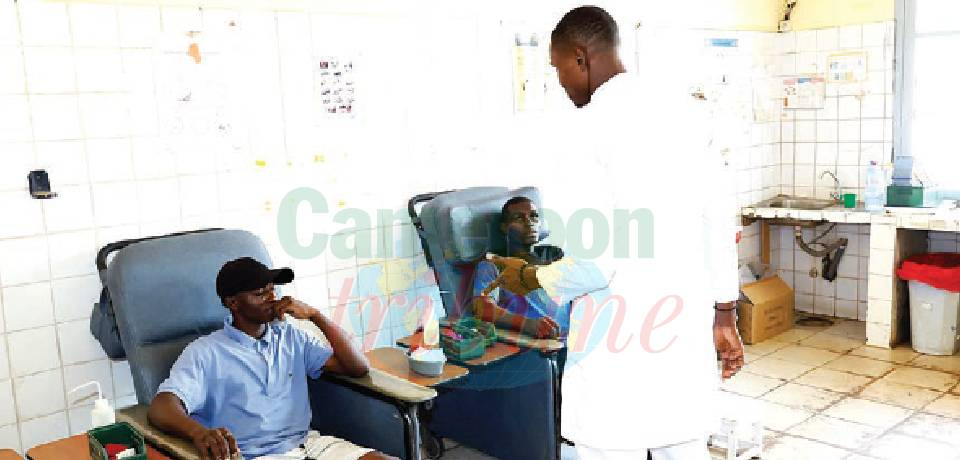
What accounts for the progress made over the last three years in national blood transfusion coverage? The country's annual blood transfusion requirement is estimated at 400,000 units. There has been a steady increase in collections over the past few years. By the end of 2025, 186,962 units had been collected, representing roughly 47 per cent of national need. The National Blood Transfusion Service (NBTS) has progressively stepped up a range of strategies. These include weekly awareness campaigns in market squares and other public spaces, delivered in close collaboration with Blood Donor Associations and other health-related organisations. Mobile sensitisation caravans are deployed, and partnerships with local, traditional and religious authorities form part of the approach. Schools and universities are also key collaborators. We have likewise worked with several embassies to promote blood donation. For instance, on Wednesday June 10, a blood drive was carried out at the American Embassy, involving other embassies and members of the public. The figures illustrate the trend: 99,850 units of blood were collected in 2020; approximately 140,000 in 2021; 147,000 in 2022; over 158,000 in 2023; 165,708 in 2024; and 186,962 in 2025, equating to about 47 per cent of our blood requirements. Despite this improvement, Cameroon remains below the national demand of 400,000 units of blood per year. What strategies have been put in place to prevent the stock shortages seen in recent months and to make up this shortfall? According to the World Health Organisation (WHO), to meet requirements, 1 to 3 per cent of the population should be voluntary, unpaid and regular blood donors. The main causes of shortages in Cameroon’s blood banks are: public reluctance for various reasons, including a general lack of a culture of blood donation in our context; misinformation about blood donation; harmful religious and cultural taboos; and the fear of testing positive for transfusion-transmissible infections. A key strategy, therefore, is continuous public sensitisation and education covering all necessary aspects. In partnership with the Ministry of Public Health, we are working on an education project aimed at behavioural change. Blood donor management techniques are also being enhanced to better motivate donors, for example through blood donor cards and similar initiatives. As things stand, does the National Blood Transfusion Service have the staff, equipment and financial resources needed to meet the demands of our healthcare syst...
Cet article complet est réservé aux abonnés
Déjà abonné ? Identifiez-vous >
Accédez en illimité à Cameroon Tribune Digital à partir de 26250 FCFA
Je M'abonne1 minute suffit pour vous abonner à Cameroon Tribune Digital !

- Votre numéro spécial cameroon-tribune en version numérique
- Des encarts
- Des appels d'offres exclusives
- D'avant-première (accès 24h avant la publication)
- Des éditions consultables sur tous supports (smartphone, tablettes, PC)








Commentaires