

Cassava Processing: Strides Of Government Efforts
- Par Mary NKEMNGONG
- 05 Nov 2026 21:17
- 0 Likes
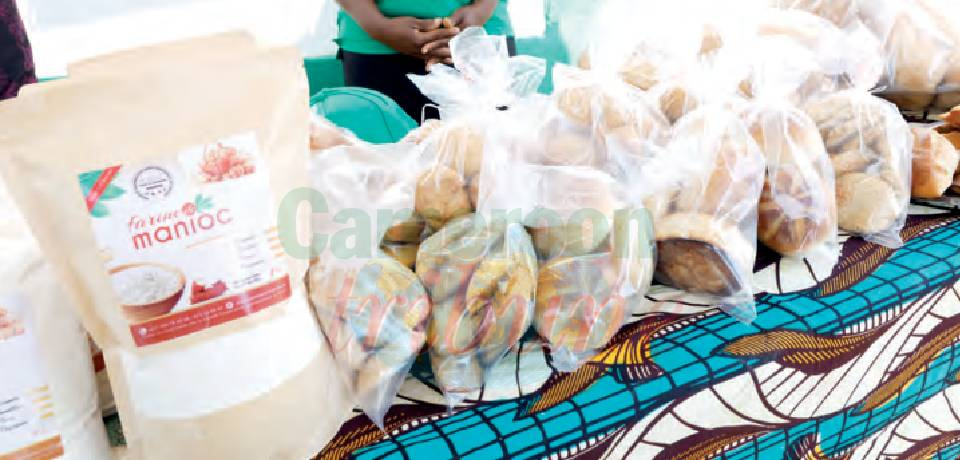
Over the years, varied arms of the government have united fronts to scale up the production and transformation of cassava into diverse finished products.
For decades, cassava in Cameroon was mainly seen as food to keep families fed. Farmers across the country harvested mil lions of tons every year, but most of it was either eaten fresh or made into traditional local dishes like garri, water fufu, and bobolo, kumkum, and many more. Because fresh cassava is volatile and perishable, Fonge Percy, a large-scale producer explained, far mers routinely lost almost half their harvest before it could reach major markets. At the same time, Fonge Percy added, the country was spending billions of FCFA every year importing foreign wheat flour for bread, creating a huge gap between what local farms produced and what the national eco nomy actually needed. Official formal exports of cassava derivatives from Cameroon re mained relatively modest in 2025 at roughly 1,400 to 1,500 metric tons, valued at ap proximately FCFA 879 million to 938 million despite the country producing over 10 million metric tons of fresh cassava annually. To fix this balance, the Cameroonian go vernment shifted its strategy under its cur rent National Development Strategy (SND30) that strives to empower local producers and ensure import substitution with locally grown and processed food. The government named cassava of the priority crops, offering tax exemptions on equipment used to make local flour. Officials have also been working with commercial bakeries to mix high-quality cassava flour for bread and pastries. The goal is to help farmers double their yields. Turning cassava into a durable product re quires the right tools, so the government collaborated with international partners like the African Development Bank and the Is lamic Development Bank to build processing facilities in rural farming communities. Through projects like the Agriculture Infra structure and Value Chain Development Pro ject (AIVDP), local farming groups received motorized graters, hydraulic presses, and specialized dryers. To keep the...
Cet article complet est réservé aux abonnés
Déjà abonné ? Identifiez-vous >
Accédez en illimité à Cameroon Tribune Digital à partir de 26250 FCFA
Je M'abonne1 minute suffit pour vous abonner à Cameroon Tribune Digital !

- Votre numéro spécial cameroon-tribune en version numérique
- Des encarts
- Des appels d'offres exclusives
- D'avant-première (accès 24h avant la publication)
- Des éditions consultables sur tous supports (smartphone, tablettes, PC)








Commentaires